1
Home

Blog

Blog

  • Waterborne Acrylic Emulsion Sustainable Barrier Solution for Food Contact Packaging
    Waterborne Acrylic Emulsion Sustainable Barrier Solution for Food Contact Packaging Dec 23, 2025
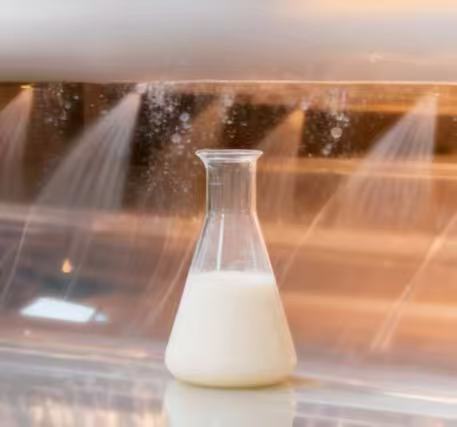
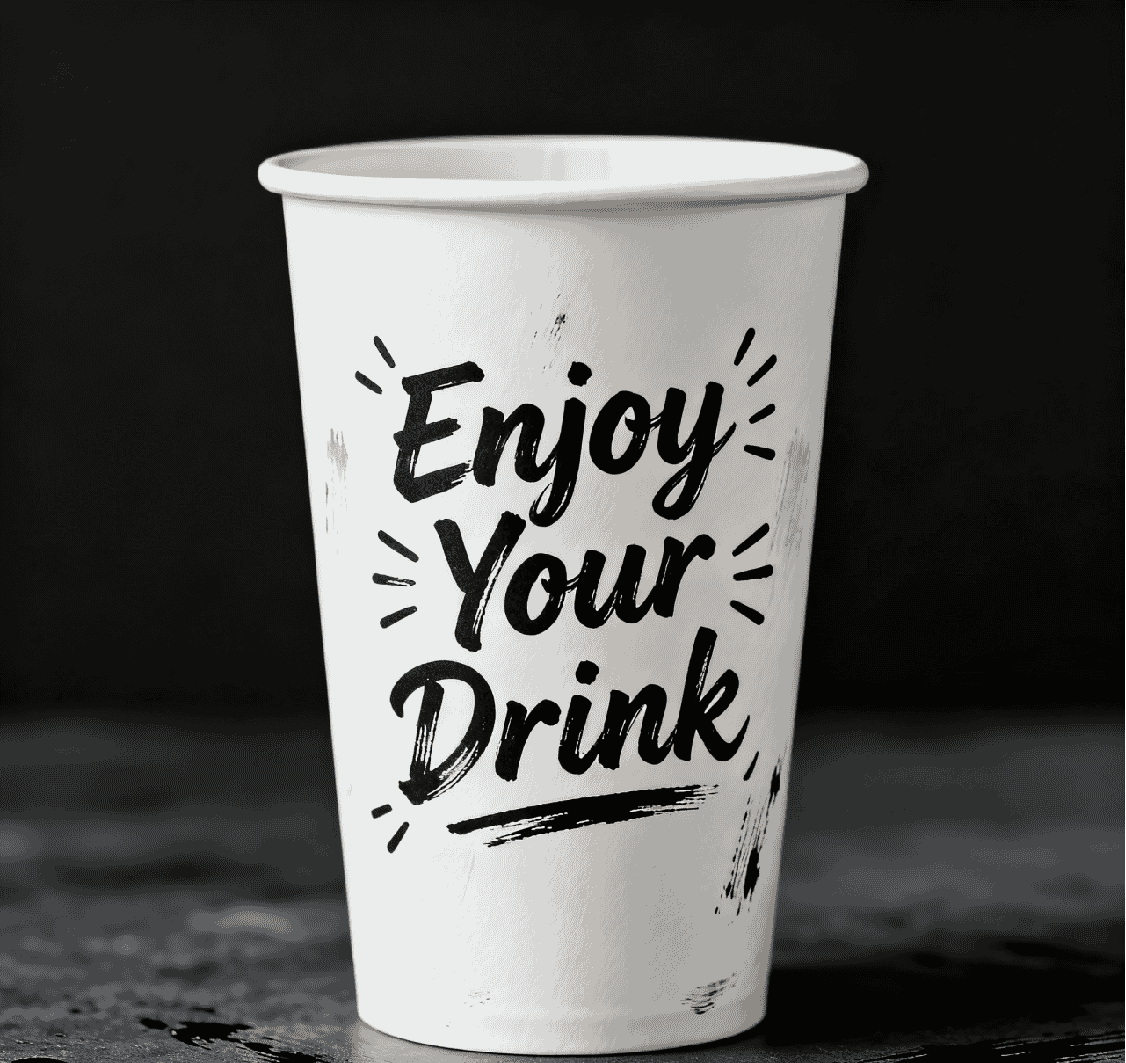
    Waterborne acrylic emulsion has emerged as a cornerstone in modern coating technologies, celebrated for its low VOC emissions, environmental friendliness, and versatile performance. Unlike solvent-based alternatives, this water-dispersed polymer system relies on water as the primary carrier, making it compliant with global sustainability regulations while delivering exceptional adhesion, flexibility, and durability. Composed of acrylic monomers polymerized in an aqueous phase, waterborne acrylic emulsion forms a continuous, uniform film when dried—properties that make it indispensable in packaging applications, where barrier protection is non-negotiable. Why Barrier Performance Matters in Packaging Packaging’s core mission extends beyond containment: it must shield contents from external threats that compromise quality, safety, and shelf life. For food, pharmaceuticals, cosmetics, and industrial products, the key enemies are oxygen, moisture, grease, and volatile substances. Oxygen triggers oxidation, moisture leads to spoilage or texture degradation, and grease migration ruins packaging integrity. Waterborne acrylic emulsion addresses these challenges by forming a barrier layer that minimizes permeation, ensuring products retain their freshness, efficacy, and appearance from production to consumption. Key Barrier Properties of Waterborne Acrylic Emulsion Waterborne acrylic emulsion’s barrier capabilities stem from its unique film structure and chemical composition, offering tailored protection for diverse packaging needs: • Oxygen Barrier: The dense, crosslinked polymer network of waterborne acrylic emulsion restricts oxygen diffusion, critical for extending the shelf life of oxygen-sensitive products like processed meats, baked goods, and vitamins. Modified formulations can further enhance oxygen resistance. • Moisture Resistance: When cured, waterborne acrylic emulsion films exhibit low water vapor transmission rate, preventing moisture absorption or loss. This is vital for dried foods, electronics, and pharmaceuticals that require strict humidity control. • Grease & Chemical Resistance: Acrylic polymers inherently repel oils, fats, and mild chemicals, making waterborne acrylic emulsion ideal for packaging greasy foods or industrial materials that may interact with the container. The emulsion’s adjustable crosslink density allows customization for high-demand chemical resistance. • Mechanical Durability: Beyond barrier functions, waterborne acrylic emulsion films offer flexibility and scratch resistance, ensuring packaging maintains its integrity during handling, transportation, and storage—even in harsh conditions. Applications Waterborne acrylic emulsion’s versatility makes it a top choice across multiple food barrier coating sectors, each leveraging its barrier properties for specific needs: • Food Packaging: Coated on paperboards to prevent grease bleed-through and moisture absorption; used in flexible films to block oxygen and extend freshness; applied to metal cans for corrosion resistance and food safety. • Pharmaceutical Packaging: Formulated into blister pack coatings to protect pills and capsules from moisture and oxygen, preserving their potency. Waterborne acrylic emulsion’s low toxicity and compliance with pharmaceutical regulations make it a safe alternative to solvent-based coatings. • Cosmetic & Personal Care Packaging: Coated on plastic bottles, tubes, and jars to prevent ingredient degradation (e.g., oxidation of oils in lotions) and maintain product consistency. The emulsion’s transparency also preserves the packaging’s aesthetic appeal. • Industrial Packaging: Used for coating cardboard drums, plastic containers, and flexible packaging for chemicals, lubricants, and adhesives. Its chemical resistance and moisture barrier prevent product leakage and contamination. Conclusion As the packaging industry shifts toward sustainability without sacrificing protection, waterborne acrylic emulsion stands out as a game-changer. Its exceptional barrier properties, low environmental impact, and versatility make it the go-to coating for safeguarding products across sectors. Whether extending the shelf life of food, preserving pharmaceutical efficacy, or ensuring industrial product integrity, waterborne acrylic emulsion proves that sustainability and performance can go hand in hand. As formulation technologies advance, we can expect even more innovative waterborne acrylic emulsion-based solutions to meet the evolving demands of barrier packaging—solidifying its role as an essential component of modern packaging systems.
  • Matting Technology and Development Prospects of Waterborne Polyurethane
    Matting Technology and Development Prospects of Waterborne Polyurethane Dec 18, 2025
    Waterborne Polyurethane and Matting Technology   Waterborne polyurethane, which exists as aqueous solutions, dispersions, or emulsions of polyurethane resin in water, is widely used in decorative coating applications across various fields such as construction, home furnishings, automotive, leather apparel, and household appliances. In specific scenarios where low-gloss or matte waterborne polyurethane coatings are required, matting technology becomes particularly important. △ Methods for Achieving Matting Effects Currently, matting effects in coatings are primarily achieved through two approaches: adding matting agents or modifying the resin to be self-matting. However, relying solely on matting agents, while effective in reducing gloss, can lead to issues such as sedimentation of the matting agent, reduced emulsion stability, and uneven gloss due to poor dispersion. Therefore, self-matting resins that do not require external matting agents and microsphere-type waterborne polyurethane matting resins are gaining increasing attention. △ Principle of Adding Matting Agents So, what is matting? Its core lies in creating a microscopically rough surface on the coating film. When light strikes this uneven surface, diffuse reflection occurs, reducing specular reflection and scattering light in various directions, ultimately achieving a matte effect. This phenomenon of light reflection on object surfaces is illustrated in Figure 1. Matting agents function as a physical method to alter the gloss of coatings. As water evaporates during the drying process, the matting agent migrates to the surface, creating microscopic irregularities that increase surface roughness and thereby diminish specular reflection. △ Types of Silica Matting Agents Common matting agents include metal soaps, polymer waxes, talc, and silica (SiO₂). However, metal soaps and polymer waxes may float on the surface of the solution, leading to uneven gloss in the coating film, while their dispersibility and compatibility in waterborne resins are often poor, potentially causing demulsification or gelation. In contrast, silica, as an inorganic compound, offers advantages such as ease of modification and excellent dispersibility in waterborne polyurethane systems. Silica matting agents include fumed silica, precipitated silica, and silica aerogel. Fumed silica, an ultrafine powder with surface hydroxyl groups and adsorbed water, stands out for its small particle size, large specific surface area, and high surface activity. Precipitated silica, a white amorphous hydrated silicic acid powder with spherical particles bearing various hydroxyl groups, exhibits excellent performance, simple production processes, low energy consumption, and broader applications compared to fumed silica. Silica aerogel, a lightweight nanoscale porous gel solid material, is notable for its superior structure, large specific surface area, high pore volume, narrow pore size distribution, and good transparency. △ Principle of Chemically Matte Polyurethane Matting can also be achieved through chemical methods, where light-absorbing compounds are introduced into the coating resin via chemical reactions to alter the optical properties of the coating film. Self-matting resins refer to coating resins that produce a matte surface upon film formation without adding external matting powders or waxes. Their components exhibit physicochemical properties and functional groups similar to matting agent particles, ensuring good compatibility and consistent refractive indices when blended with other resins, effectively addressing issues associated with external matting agents. Moreover, since external matting agents often differ in refractive index from the coating matrix, it is challenging to balance matting and transparency, limiting their suitability for certain applications. Therefore, self-matting coating resins that do not rely on external matting agents have attracted widespread attention. Their matting mechanism primarily involves introducing incompatible particles during polymer synthesis, such as through organic silicon modification or crosslinking modification. For example, in organic silicon-modified waterborne polyurethane matting resins, hydrophobic silicone segments migrate to the coating film surface during film formation, creating a microscopically rough surface. This imparts both organic and inorganic characteristics to the polyurethane, effectively enhancing its water resistance, thermal stability, and mechanical properties. Crosslinking modification alters the linear polyurethane structure, forming a densely crosslinked network of polyurethane macromolecules. This increases the particle size of the polyurethane emulsion, and during drying, the larger particles stack to form a rough surface. Additionally, the dense crosslinked network significantly improves the heat resistance, water resistance, and chemical resistance of the waterborne polyurethane. Researchers have successfully prepared internally crosslinked modified waterborne polyurethane self-matting resin emulsions using a post-chain extension method. The resulting films exhibit rough surface characteristics. Under varying crosslinker addition levels (0.35%, 0.45%, 0.55%, and 0.65%), scanning electron microscope (SEM) images of the films are shown in Figure 2, labeled as stages a, b, c, and d, respectively. These emulsions have an average particle size exceeding 1 μm and a gloss level of approximately 2.0 at a 60° angle, fully meeting matting requirements.   Development Prospects of Self-Matting Resins   △ Advantages of Self-Matting Resins Matte coating resins play a critical role in the application of waterborne polyurethane resins, attracting significant attention from the coatings industry while posing challenges in terms of stability. However, the emergence of self-matting coating resins and microsphere matting coating resins, which require no external matting agents and offer excellent resin stability and superior coating performance, indicates they will become a dominant trend in the future. △ Future Development Trends Therefore, it is essential to intensify research and development efforts on waterborne polyurethane matting resins to promote their broader advancement. Developing self-matting coating resins will be a key focus for the future of waterborne polyurethane.  
  • Waterborne Acrylic Emulsion Key Features Uses and Advantages
    Waterborne Acrylic Emulsion Key Features Uses and Advantages Dec 16, 2025
    In the realm of coatings adhesives and specialty chemicals waterborne acrylic emulsion has emerged as a game-changing material celebrated for its versatility sustainability and high performance. Unlike solvent-based alternatives this water-dispersed polymer system leverages water as the primary carrier offering a host of advantages that align with today’s environmental standards and industrial demands. Let’s dive into what makes waterborne acrylic emulsion stand out its wide-ranging applications and why it’s becoming the material of choice across industries. What Is Waterborne Acrylic Emulsion At its core waterborne acrylic emulsion is a stable dispersion of acrylic polymers in water created through emulsion polymerization. The process involves combining acrylic monomers such as methyl methacrylate butyl acrylate and acrylic acid with water surfactants and initiators. This results in a milky white liquid that dries to form a durable flexible film when applied to substrates. What sets it apart is its low VOC (Volatile Organic Compound) content – a critical factor in reducing environmental impact and ensuring workplace safety. Unlike solvent-based products which release harmful fumes waterborne acrylic emulsions are non-flammable low-odor and compliant with global environmental regulations making them ideal for eco-conscious projects. Key Performance Attributes Beyond sustainability waterborne acrylic emulsion boasts an impressive set of performance attributes. It offers excellent adhesion to a variety of substrates including wood metal concrete plastic and textiles ensuring long-lasting bonds and coatings. The dried film exhibits resistance to water UV radiation chemicals and abrasion making it suitable for both indoor and outdoor use. Additionally its adjustable viscosity and film-forming properties allow for customization – from thin protective coatings to thick adhesive layers – catering to diverse application needs. Whether you need flexibility for moving parts or rigidity for structural components waterborne acrylic emulsion can be formulated to meet specific requirements. Wide-Ranging Industrial Applications The applications of waterborne acrylic emulsion are virtually limitless spanning multiple industries. Construction Sector In the construction industry it is a key ingredient in interior and exterior paints primers and sealants. Its ability to withstand weathering and adhere to porous surfaces like concrete makes it a staple for building exteriors while its low odor and fast drying time suit indoor painting projects. Automotive Industry In the automotive sector it is used in primers clear coats and interior trims offering corrosion resistance and a smooth finish that enhances vehicle aesthetics and durability. Adhesives and Sealants For adhesives and sealants waterborne acrylic emulsion shines in packaging woodworking and textile bonding. It provides strong yet flexible bonds that withstand temperature changes and mechanical stress making it perfect for laminating paperboards assembling furniture and attaching fabric layers. Textile Industry In the textile industry it acts as a coating or binder for fabrics enhancing durability wrinkle resistance and water repellency – think performance sportswear or outdoor gear that maintains functionality even with frequent use. Household Products Even in household products waterborne acrylic emulsion plays a role. It is found in floor polishes leather conditioners and wall paints offering long-lasting protection and aesthetic appeal. Its compatibility with pigments also allows for a wide range of color options giving designers and manufacturers creative freedom. How to Choose the Right Product Substrate compatibility: Select formulations optimized for wood, metal, textiles, or other target materials. Performance needs: Prioritize flexibility, adhesion, or resistance to UV/chemicals based on application. Environmental compliance: Look for low VOC levels and region-specific certifications. Application method: Match viscosity, drying time, and film thickness to spraying, brushing, or rolling. Future Trends Demand is rising as industries prioritize sustainability—innovations include self-healing coatings, antimicrobial additives, improved UV resistance, and bio-based formulations to reduce environmental impact. Summary   Waterborne acrylic emulsion is a sustainable, high-performance material that redefines possibilities across coatings, adhesives, and specialty chemicals. Its core strengths—low VOCs, versatile adhesion, and customizable performance—make it indispensable in construction, automotive, textiles, and household products. By aligning with environmental regulations and evolving industrial needs, it continues to be a top choice for professionals and enthusiasts alike, with future innovations set to enhance its eco-friendliness and functionality further.  
  • Applications of Waterborne Polyurethane
    Applications of Waterborne Polyurethane Dec 05, 2025
    Background and Overview Waterborne polyurethane refers to a polyurethane emulsion formed by dissolving or dispersing polyurethane in water. Since the 1960s, solvent-based polyurethanes have been widely used. However, the organic solvents involved cause air pollution and exhibit certain levels of toxicity. In recent years, growing environmental awareness has driven the development of waterborne polyurethane materials. Using water as the primary medium, waterborne polyurethane offers advantages such as environmental friendliness, energy savings, and convenient processing and handling, garnering significant attention. Applications 1.Waterborne Polyurethane Coatings Waterborne polyurethane coatings use water as the medium, featuring low volatile organic compound (VOC) content and no free diisocyanate monomers, thereby reducing volatile toxicity and offering environmental benefits. They can be diluted with water, facilitating easy application. Their properties can be enhanced through crosslinking modification to improve solvent and water resistance. Compared to other latex coatings, waterborne polyurethane exhibits superior low-temperature film-forming ability and may not require coalescing agents. It demonstrates good compatibility with other water-dispersible systems such as acrylic, vinyl, and alkyd resins, providing more avenues for performance improvement. After over two decades of development, waterborne polyurethane coating technology has become increasingly mature and is now applied in various fields, including floor coatings, wood furniture coatings, surface coatings for plastic parts in automobiles, locomotives, aircraft, and commercial equipment, stone-chip resistant coatings, strippable coatings, UV-curable coatings, and interior and exterior wall coatings. Amid growing environmental regulations, the application prospects for waterborne polyurethane coatings continue to expand.   2.Waterborne Polyurethane Adhesives Waterborne polyurethane adhesives are characterized by low VOC emissions, non-flammability, and minimal environmental pollution, making them a key development direction for polyurethane adhesives. They offer convenient processing methods such as spraying, can be thermally activated at relatively low temperatures, and provide excellent substrate adhesion, high initial and final bond strength, as well as good resistance to moisture, plasticizers, and heat. These adhesives are widely used in the following areas: manufacturing of various laminated products, including fabric laminates, food packaging composite plastic films, and laminates of thin-layer materials such as soft PVC films or sheets with other materials like wood, fabric, and paper; flocking adhesives, glass fiber and other fiber bundling adhesives, ink adhesives; bonding of general materials, such as automotive interior trim adhesives and footwear adhesives. Additionally, waterborne polyurethane is used in many other bonding applications, including wood, plastic, and metal products.   3.Leather Finishing Agents Leather finishing is a crucial step in leather manufacturing. Resin-based finishes enhance the aesthetics and durability of leather, improving its grade. Compared to conventionally used acrylic emulsion leather finishing agents, waterborne polyurethane offers advantages such as better low-temperature resistance, abrasion resistance, soft hand feel, and fullness, overcoming the drawbacks of acrylic resins, which exhibit thermoplasticity at high temperatures and brittleness at low temperatures.   4.Textile Finishing Agents Waterborne polyurethane is formaldehyde-free and exhibits excellent film-forming ability and elasticity. It can partially or entirely replace amino resins as anti-wrinkle finishing agents or softness additives. Applications include anti-pilling finishing for polyester fabrics, wool-like finishing and anti-shrinkage/anti-wrinkle finishing for cotton-viscose and polyester-viscose blended fabrics, coating finishing for cotton fabrics, stiffening and anti-wrinkle finishing for silk fabrics, treatment of various fibers, and one-bath dyeing and finishing processes.   5.Other Applications Waterborne polyurethane can be used as a textile coating agent, such as for imitation leather coatings on various non-woven and knitted fabrics, and printing coatings. It also serves as a sizing agent for glass fibers, a petroleum demulsifier, among other applications. Modification A common modification method for waterborne polyurethane involves incorporating modifying materials into the system through chemical or physical means, leveraging the excellent properties of these materials to enhance the mechanical performance, thermal stability, and water resistance of waterborne polyurethane. For instance, compounding with epoxy resin, which offers outstanding mechanical properties, adhesion, chemical stability, and thermal stability, can improve the mechanical performance and heat resistance of waterborne polyurethane while providing excellent waterproofing. The composite modification approach holds promising prospects in the field of waterborne polyurethane modification research.
  • Waterborne Acrylic Emulsion A Versatile Solution for Eco-Friendly Coatings
    Waterborne Acrylic Emulsion A Versatile Solution for Eco-Friendly Coatings Dec 02, 2025
    In the ever-evolving landscape of polymer chemistry, waterborne acrylic emulsion has emerged as a cornerstone material, redefining sustainability and performance across countless industries. Unlike solvent-based acrylic systems that rely on volatile organic compounds (VOCs) for dispersion, waterborne acrylic emulsion suspends acrylic polymer particles in water—creating a low-toxic, eco-friendly alternative without compromising on functionality. Let’s dive into what makes this material a game-changer, where it shines, and why it’s become a staple for manufacturers worldwide. What is Waterborne Acrylic Emulsion? At its core, waterborne acrylic emulsion is a colloidal dispersion of acrylic polymers in an aqueous medium. The emulsion is stabilized by surfactants and emulsifiers, which prevent the polymer particles from clumping together and ensure uniform dispersion in water. The manufacturing process typically involves emulsion polymerization—a cost-effective, scalable method that occurs at moderate temperatures, reducing energy consumption compared to solvent-based production. The resulting product is a milky, viscous liquid that can be tailored to specific performance needs by adjusting monomer ratios, particle size, and cross-linking density. From soft, flexible emulsions to rigid, high-hardness formulations, waterborne acrylic emulsions are highly customizable to fit diverse application requirements. Key Applications of Waterborne Acrylic Emulsion 1. Architectural Coatings This is the largest application segment for waterborne acrylic emulsion. It is the primary binder in interior and exterior wall paints, wood coatings, and masonry coatings. Exterior acrylic emulsion paints offer exceptional weather resistance—resisting UV degradation, rain, and temperature fluctuations—while interior formulations provide low odor, fast drying, and excellent washability. They are also compatible with pigments and additives, allowing for a vast spectrum of colors and finishes (matte, satin, gloss). 2. Adhesives & Sealants Waterborne acrylic emulsions are widely used in pressure-sensitive adhesives (PSAs) for tapes, labels, and stickers, as well as in structural adhesives for wood, paper, and textiles. They offer strong bonding strength, good flexibility, and easy application—either by brushing, rolling, or spraying. In sealants, they provide excellent adhesion to substrates like concrete, metal, and plastic, while remaining elastic enough to accommodate minor movements without cracking. 3. Industrial Coatings Beyond architecture, waterborne acrylic emulsions are used in industrial coatings for metal, plastic, and concrete substrates (e.g., machinery, automotive parts, flooring). They offer corrosion resistance, chemical resistance, and durability, while meeting strict environmental regulations on VOC emissions.                                         Standout Features of Waterborne Acrylic Emulsion 1. Eco-Friendly & Low VOC The biggest advantage is its low VOC content (often below 50 g/L, and even zero VOC in premium formulations), which aligns with global environmental regulations (e.g., EU REACH, US EPA standards). Unlike solvent-based systems that release harmful VOCs into the air, waterborne acrylic emulsions minimize air pollution and reduce health risks for workers during application and handling. 2. Versatile Performance Acrylic emulsions can be formulated to deliver a wide range of properties: • Weather resistance: Excellent UV stability and hydrolysis resistance, making them ideal for outdoor applications. • Flexibility & toughness: Can withstand impact, bending, and thermal expansion/contraction without cracking or peeling. • Adhesion: Strong bonding to almost all common substrates (wood, metal, concrete, plastic, paper). • Chemical resistance: Resistant to water, mild acids, alkalis, and detergents. 3. Easy Application & Handling The aqueous base makes acrylic emulsions easy to dilute with water (no hazardous solvents needed) and apply via standard methods (brushing, rolling, spraying). They dry quickly at room temperature, reducing production time and energy costs for manufacturers. 4. Cost-Effective Production & Use Emulsion polymerization is a low-cost manufacturing process compared to other polymer synthesis methods. Additionally, the water-based formulation reduces raw material costs (water is cheaper than organic solvents) and disposal costs for waste materials. 5. Compatibility with Additives Waterborne acrylic emulsions blend well with pigments, fillers, plasticizers, and other additives, allowing formulators to customize products for specific end-use requirements without sacrificing performance. Conclusion Waterborne acrylic emulsion is more than just a sustainable alternative to solvent-based polymers—it’s a high-performance material that has become the backbone of countless industries, from construction and packaging to textiles and adhesives. Its eco-friendly profile, customizable performance, and cost-effectiveness make it a win-win for manufacturers, workers, and the environment. As global demand for sustainable materials continues to rise, waterborne acrylic emulsion will only grow in importance. Innovations in formulation (e.g., cross-linked acrylic emulsions for enhanced durability, bio-based acrylic monomers) are further expanding its capabilities, ensuring it remains a versatile and forward-looking choice for years to come. Whether you’re a formulator, manufacturer, or end-user, waterborne acrylic emulsion offers a reliable, responsible solution for meeting today’s performance and environmental goals. This blog balances technical accuracy with readability, suitable for industry professionals, potential customers, or anyone interested in polymer materials. If you want to adjust the tone (more technical/ casual), add specific product data (e.g., viscosity, Tg values), or focus on a particular application area (e.g., only architectural coatings), feel free to let me know and I’ll refine it accordingly.
  • Water-borne Polycarbonate Polyurethane Dispersion for Leather and Textile Surface Coating
    Water-borne Polycarbonate Polyurethane Dispersion for Leather and Textile Surface Coating Nov 27, 2025
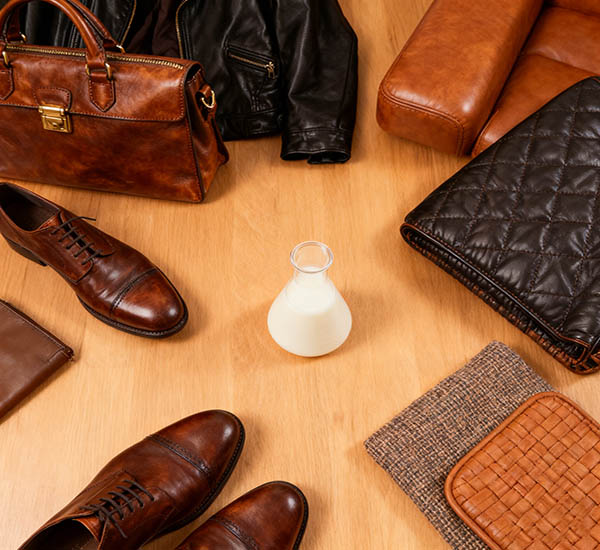
    Redefining High-Performance Surface Finishes with Advanced Waterborne Coating Technology The global leather and textile industry is facing growing demands for finishing solutions that deliver exceptional durability, aesthetic appeal, and functionality while maintaining environmental compliance. Traditional coating materials often struggle to balance mechanical properties, environmental adaptability, and sustainability requirements—a particularly acute in premium automotive interiors, luxury leather goods, and functional apparel. In this context, Water-borne Polycarbonate Polyurethane Dispersion designed for leather and textile surface coating has emerged as a transformative innovation. This advanced coating material perfectly integrates outstanding physical properties, eco-friendly characteristics, and processing adaptability, setting a new standard for surface finishing solutions while addressing the industry's dual needs for reliability and sustainability. Core Performance Advantages of Water-borne Polycarbonate Polyurethane Dispersion   Exceptional Hydrolysis Resistance and Environmental Durability The core of this technology lies in its meticulously designed molecular structure. Water-borne Polycarbonate Polyurethane Dispersion forms a dense, highly cohesive coating upon drying, characterized by a highly hydrogen-bonded and crosslinked network formed by stable polycarbonate segments in the polymer backbone. This unique polymer architecture effectively resists water molecule intrusion, preventing hydrolytic cleavage of polymer chains. For leather and textiles exposed to moisture, perspiration, or frequent cleaning, this translates to unparalleled durable protection—significantly extending the service life of premium automotive seats, outdoor equipment, and luxury furniture by preventing coating degradation, tackiness, or physical property decline. Superior Abrasion Resistance and Mechanical Strength The combination of rigid polycarbonate segments with elastic polyurethane properties enables the coating to exhibit excellent resistance to wear and scratching. The film formed by Water-borne Polycarbonate Polyurethane Dispersion withstands repeated friction, bending, and stretching, which is crucial for high-frequency use applications such as furniture fabrics, footwear materials, and automotive interiors. Testing confirms that its wear resistance significantly outperforms traditional polyester or polyether-based polyurethane dispersions, providing long-lasting surface protection for products. Environmental Compliance and Processing Convenience As a water-based system, this dispersion contains no organic solvents and has extremely low VOC content, complying with global environmental regulations and workplace safety standards. It is free of heavy metals, phthalates, and other restricted substances, fully meeting ecological textile requirements including EU OEKO-TEX® STANDARD 100 and REACH. From a processing perspective, the dispersion demonstrates excellent mechanical stability and storage stability, compatible with common industrial coating methods such as roller coating, spray coating, and knife coating. Its adjustable solid content and rheological properties further enhance processing adaptability, improving production efficiency. Durable Adhesion and Substrate Compatibility The wide variety of leather and textile substrates with different surface properties presents significant challenges for coating adhesion. This Water-borne Polycarbonate Polyurethane Dispersion incorporates adhesion-promoting molecular design, forming strong physicochemical bonds with full-grain leather, synthetic leather (PU/PVC), and various textile fibers, ensuring the coating does not delaminate under various stress conditions. The tight integration between the crosslinked film and substrate maintains integrity even after repeated bending and stretching. Environmental Compliance and Sustainable Development Characteristics   This Water-borne Polycarbonate Polyurethane Dispersion embodies the core principles of sustainable manufacturing. Its water-based formulation reduces VOC emissions to negligible levels, improving indoor air quality in production environments and reducing ecological impact. The harmless formulation ensures compliance with global eco-label requirements and Extended Producer Responsibility systems. Importantly, this technology does not alter the original recycling pathways of leather and textiles—contributing to the circular economy. By enabling high-performance, environmentally friendly coating solutions, this technology allows brands to achieve sustainability goals without significantly changing existing production processes. Application Expansion Beyond Conventional Leather and Textiles   Although optimized for leather and textiles, the versatility of this Water-borne Polycarbonate Polyurethane Dispersion extends to multiple high-demand sectors. In the automotive industry, it serves as an ideal choice for car seats, steering wheels, and interior panels, providing comprehensive protection against UV radiation, sweat, and cleaning agents. In the fashion industry, it offers durable surface protection for premium footwear, handbags, and accessories while maintaining a soft hand feel. Furthermore, its excellent adhesion and durability make it suitable for smart textiles and wearable devices, providing reliable encapsulation for functional fabrics integrated with electronic components. It also finds applications in medical textiles, providing protection for instrument packaging materials requiring repeated sterilization. Formulation and Processing Considerations   Molecular Design for Targeted Performance The dispersion's performance stems from its polymer structure design. The balanced ratio of hard and soft segments in the polyurethane backbone ensures optimal film formation and mechanical properties, with a minimum film-forming temperature suitable for room temperature application. Crosslinkable functional groups integrated into the molecular structure form a three-dimensional network during curing, enhancing the coating's chemical resistance and durability. This design ensures storage stability while delivering consistent performance in use. Industrial Processing Adaptability For optimal results, leather or textile substrates should undergo appropriate surface treatment before coating to remove contaminants. The dispersion is compatible with common industrial coating methods, including knife coating, spray coating, and impregnation processes, enabling precise control of coating weight to achieve target performance requirements. After application, a multi-stage drying process promotes water evaporation and particle coalescence, forming a defect-free film. Appropriate post-curing treatment maximizes crosslink density, optimizing final performance. Rheological properties can be adjusted with compatible modifiers to suit specific production line requirements. Future Development Trends   The evolution of Water-borne Polycarbonate Polyurethane Dispersion technology focuses on two key directions: sustainability and functional integration. Research is advancing toward high bio-based content formulations, utilizing plant-derived monomers to reduce carbon footprint while maintaining performance. Additionally, smart function integration is being explored—such as thermochromic properties, moisture management, or self-healing characteristics—adding value for high-end fashion, smart apparel, and other applications. Further optimization of crosslinking chemistry aims to improve performance under extreme conditions and expand compatibility with emerging bio-based substrates. Conclusion   Water-borne Polycarbonate Polyurethane Dispersion for Leather and Textile Surface Coating represents a critical advancement in high-performance coating technology. By addressing the industry's urgent needs for superior protection, substrate compatibility, and environmental responsibility, it resolves the performance balance challenges that have long plagued traditional coatings. Its ability to extend product lifespan, ensure regulatory compliance, and promote sustainable development makes it an indispensable solution for the automotive, fashion, and functional textile industries. As the industry continues to prioritize safety and sustainability, this Water-borne Polycarbonate Polyurethane Dispersion will serve as a cornerstone of next-generation finishing innovation—driving progress toward a more efficient, reliable, and eco-friendly future.  
  • NC Varnish Topcoat Key Properties Applications and Advantages
    NC Varnish Topcoat Key Properties Applications and Advantages Nov 25, 2025
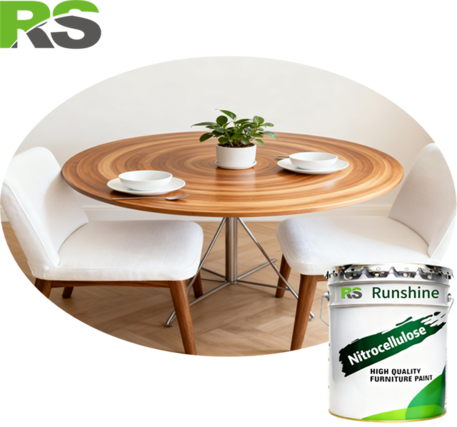
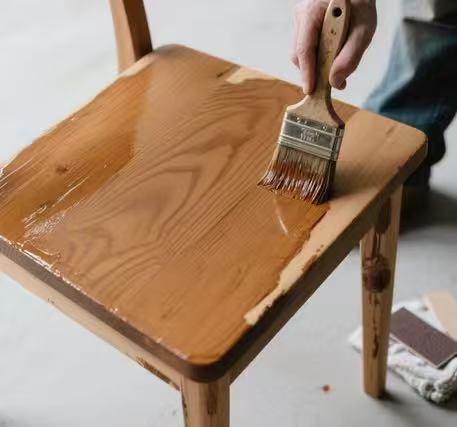
    Product Overview NC (Nitrocellulose) Varnish Topcoat is a high-performance finishing product that holds a significant position in the coating industry, valued for its versatile performance and outstanding decorative effects. Taking nitrocellulose as the main film-forming component, it is blended with plasticizers, solvents, and special additives to form a transparent, smooth, and durable surface layer after application. Its fast-drying characteristic, strong compatibility with diverse substrates, and ability to enhance the natural charm of materials while providing effective protection make it a go-to choice for both industrial production and DIY projects, catering to the needs of professionals and enthusiasts pursuing high-quality, easy-to-use finishing solutions. Product Properties Quick Drying: A standout property of NC Varnish Topcoat is its rapid drying speed. Under normal temperature, it can form a touch-dry film in 10-30 minutes and fully cure within 24-48 hours. This feature greatly shortens the production cycle and boosts work efficiency, making it suitable for scenarios with tight time requirements. High Transparency and Glossiness: It boasts excellent transparency, which allows the original texture, grain, and color of the substrate to be fully displayed without yellowing or discoloration over time. Additionally, it comes in multiple gloss options, including high gloss, semi-gloss, and matte, to meet different aesthetic preferences of users. Strong Adhesion: The topcoat adheres tightly to a variety of substrates, such as wood, metal, plastic, and previously painted surfaces. This strong adhesion ensures a long-term bond, effectively preventing issues like peeling, chipping, or flaking. Good Flexibility: After curing, the film shows moderate flexibility. It can adapt to small expansions or contractions of the substrate caused by temperature or humidity changes, thereby reducing the possibility of cracking and extending the service life of the finished product. Easy to Apply and Repair: Applying NC Varnish Topcoat is hassle-free, as it can be applied through spraying, brushing, or rolling with little effort. Moreover, it supports easy sanding and refinishing, making touch-ups or repairs straightforward without damaging the overall appearance of the product. Product Applications Thanks to its versatile performance, NC Varnish Topcoat is widely used in various industries and scenarios: Wooden Furniture and Joinery: It is an ideal choice for finishing wooden furniture like cabinets, tables, chairs, as well as joinery items such as doors, windows, and wooden decorative pieces. It enhances the natural grain of the wood and forms a protective layer to resist scratches and stains. Musical Instruments: Frequently used for coating wooden musical instruments like guitars, violins, and pianos, as well as string instruments. Its transparency maintains the aesthetic appeal of the instruments while protecting them from wear and tear during use. Automotive and Motorcycle Parts: Suitable for refinishing metal parts of automobiles and motorcycles, including car bumpers, motorcycle fairings, and decorative trims. It creates a smooth and glossy finish that can resist corrosion, keeping the parts in good condition. DIY and Craft Works: Loved by hobbyists for finishing handmade crafts, model kits, wooden toys, and home decor items. Its easy application and fast-drying properties make it convenient for DIY enthusiasts to complete their projects smoothly. Industrial Production: In the mass production of furniture, wooden fixtures, and decorative panels, NC Varnish Topcoat is widely utilized. Its efficient drying speed and consistent quality meet the demands of large-scale industrial production. Product Advantages Improved Aesthetic Value: With its high transparency and customizable gloss levels, NC Varnish Topcoat enhances the visual appeal of the substrate. It highlights the natural beauty of the material, giving the finished product a professional and polished look that is more attractive to consumers. Effective Protection: It forms a tough and wear-resistant film on the surface of the substrate, which can shield the material from scratches, abrasions, moisture, and UV radiation. This effective protection extends the lifespan of the finished product, reducing the need for frequent maintenance or replacement. Time and Cost Savings: The fast-drying formula of NC Varnish Topcoat reduces the waiting time between coats, accelerating the entire production process. For businesses, this means lower labor costs and reduced storage expenses, improving overall economic benefits. User-Friendly: Whether you are a professional or a beginner, you can easily use this topcoat. Its simple application methods (spraying, brushing, rolling) and good workability require minimal technical skills, allowing users to achieve satisfactory results without much difficulty. Strong Versatility: It is compatible with a wide range of substrates and most primers and undercoats. This versatility enables it to be used in various finishing projects, eliminating the need for specialized products and providing more flexibility for users. Eco-Friendly Option (Low-VOC Formulation): Many modern NC Varnish Topcoat products are formulated with low volatile organic compounds (VOCs). This makes them more environmentally friendly and safer for indoor use, compared to traditional solvent-based coatings, aligning with the current trend of environmental protection. Conclusion NC Varnish Topcoat is a reliable, versatile, and high-performance finishing product that successfully combines aesthetic enhancement and practical protection. Its quick drying, strong adhesion, easy application, and wide range of applications make it a top choice for both industrial and personal projects. Whether you are engaged in refinishing furniture, manufacturing musical instruments, or working on DIY crafts, NC Varnish Topcoat can deliver consistent and professional results while saving your time and effort. As formulation technology continues to advance, it will further meet the changing needs of users, maintaining its status as an exceptional finishing product that integrates durability, beauty, and convenience. For those looking for a high-quality topcoat that excels in both performance and appearance, NC Varnish Topcoat is a worthwhile investment that brings long-term value.
  • Excellent Oxygen-barrier and Water-resistant Waterborne Polyurethane Dispersions on Metallized PET Films
    Excellent Oxygen-barrier and Water-resistant Waterborne Polyurethane Dispersions on Metallized PET Films Nov 19, 2025
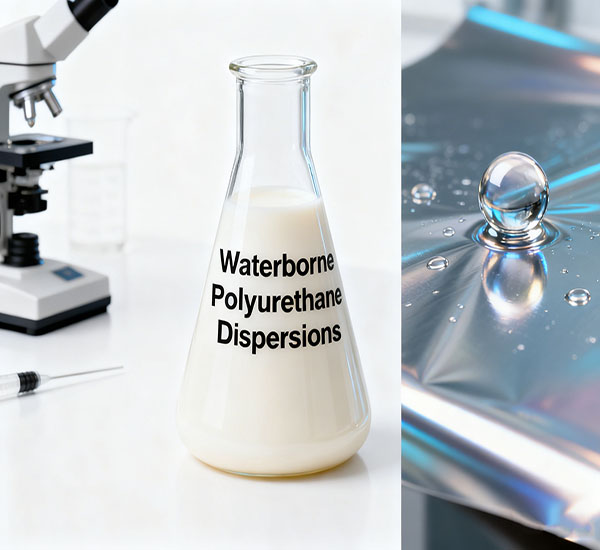
    Redefining High-Performance Packaging with Advanced Barrier Coating Technology The global packaging industry, particularly in the food and pharmaceutical sectors, is facing escalating demands for protective solutions that extend product shelf life, ensure content integrity, and align with stringent environmental standards. Conventional barrier coatings often struggle to balance oxygen/water resistance, substrate compatibility, and sustainability—creating a critical gap in high-performance packaging applications. In this context, Excellent Oxygen-barrier and Water-resistant Waterborne Polyurethane Dispersions emerge as a transformative innovation, specifically engineered for metallized PET films. This advanced coating technology integrates superior functional performance, food-contact safety, and eco-friendly properties, setting a new benchmark for barrier solutions while addressing the industry’s unmet needs for reliability and sustainability.   Core Performance Advantages of Oxygen-barrier and Water-resistant Waterborne Polyurethane Dispersions   1.Exceptional Oxygen and Water Vapor Barrier CapabilityAt the heart of this technology lies a precisely engineered molecular structure. Waterborne Polyurethane Dispersions form a dense, cohesive film upon drying and curing, characterized by a high degree of hydrogen bonding and crosslinking. This unique polymer architecture creates a tortuous path for gas and vapor molecules, significantly impeding oxygen permeation and water ingress. For metallized PET film substrates, this translates to unparalleled protection for oxygen-sensitive products—extending the shelf life of snacks, pharmaceuticals, and premium foods by preventing oxidation and moisture-induced degradation. Testing confirms that the coating maintains ultra-low oxygen transmission rates (OTR) and water vapor transmission rates (WVTR), outperforming traditional solvent-borne alternatives. 2.Superior Adhesion and Metallized Substrate CompatibilityMetallized PET films present unique challenges due to their non-porous, low-surface-energy nature. This specialized Waterborne Polyurethane Dispersions is formulated with adhesion-promoting chemistries that form strong physico-chemical bonds with the metal layer, ensuring robust anchorage and preventing delamination during processing or end-use flexing. The crosslinked film adheres seamlessly to the metallized surface, maintaining barrier integrity even under mechanical stress such as folding, stacking, or transportation. This compatibility is critical for preserving the delicate metallized layer from scratches and cracks, which could compromise protective performance. 3.Environmental Compliance and Processing EfficiencyAs a water-based system, Waterborne Polyurethane Dispersions eliminates the high VOC emissions associated with solvent-borne coatings, aligning with global environmental regulations and workplace safety standards. It is free of heavy metals, phthalates, and other regulated substances, making it fully compliant with food-contact requirements including FDA, EU No. 10/2011, and China GB standards. From a processing perspective, the dispersion exhibits excellent mechanical stability and compatibility with standard industrial coating techniques—such as micro-gravure and slot-die coating—enabling high-speed production with uniform, ultra-thin layers. Its adjustable solid content (32±1.5%) and low viscosity (<500 mPa·s at 25°C) further enhance processability, reducing downtime and improving production yields. 4.Durability and Long-Term Functional IntegrityThe cured film from this dispersion boasts remarkable toughness, abrasion resistance, and flexibility. It acts as a protective shield for the metallized PET substrate, resisting scratches, abrasion, and mechanical damage throughout the supply chain. Unlike fragile barrier coatings, this Waterborne Polyurethane Dispersions maintains its structural integrity under humid conditions and temperature fluctuations, ensuring consistent oxygen and water resistance from production to end-use. This durability is critical for barrier coating of plastic packaging applications that require long-term storage or exposure to harsh logistics environments.   Environmental Compliance and Sustainability Profile   This Waterborne Polyurethane Dispersions embodies the principles of sustainable packaging. Its water-based formulation reduces VOC emissions to negligible levels, improving indoor air quality in production facilities and minimizing environmental impact. The absence of toxic additives ensures compliance with global eco-label requirements and Extended Producer Responsibility (EPR) schemes. Critically, the coating does not hinder the recyclability of metallized PET films—allowing for efficient repulping and material recovery in standard recycling processes. By enabling high-performance, recyclable packaging, this technology empowers brands to meet sustainability targets without compromising protective functionality.   Application Expansion Beyond Metallized PET Film Packaging   While optimized for metallized PET films, the versatility of this Waterborne Polyurethane Dispersions extends to multiple high-demand packaging sectors. In the food industry, it is ideal for modified atmosphere packaging (MAP) of processed meats, baked goods, and instant foods—where extended shelf life and freshness preservation are paramount. In pharmaceuticals, it provides a reliable barrier for drug packaging, protecting active ingredients from moisture and oxygen degradation. Additionally, its excellent adhesion and barrier properties make it suitable for laminating with other substrates such as PLA (polylactic acid) and OPP (oriented polypropylene), expanding its use in eco-friendly composite packaging. It also finds applications in specialty packaging for electronics, where moisture resistance is critical for component protection. Formulation and Processing Considerations   1.Molecular Design for Targeted Performance The dispersion’s performance is rooted in its sophisticated polymer architecture. A balanced ratio of hard and soft segments in the polyurethane backbone ensures optimal film formation and mechanical properties, with a minimum film-forming temperature (MFFT) of approximately 7°C for reliable application at room temperature. Crosslinkable functional groups are integrated into the molecular structure, activating during curing to form a three-dimensional network that enhances barrier efficiency and chemical resistance. This design ensures stability during storage (6 months in sealed containers at 5–30°C) while delivering consistent performance in end-use. 2.Industrial Processing Adaptability For optimal results, the metallized PET substrate must be thoroughly cleaned to remove surface contaminants prior to coating. The dispersion is compatible with precision coating methods such as micro-gravure and slot-die coating, which enable precise control of coat weight to achieve target OTR and WVTR values. Post-application, a multi-stage drying process (controlled temperature and airflow) facilitates water evaporation and particle coalescence, forming a pinhole-free film. Thermal curing (typically at elevated temperatures) completes crosslinking, maximizing barrier performance and durability. Rheological properties can be adjusted with compatible modifiers to suit specific production line speeds and equipment requirements.   Future Development Trends   The evolution of this Waterborne Polyurethane Dispersions technology is focused on two key frontiers: sustainability and functional enhancement. Research is advancing toward high bio-based content formulations, utilizing renewable monomers derived from plant-based sources to reduce carbon footprint while maintaining or exceeding current performance standards. Additionally, smart barrier functionalities are being explored—such as humidity-responsive crosslinking or indicator additives that signal barrier integrity loss—adding value for sensitive applications like pharmaceutical and fresh food packaging. Further optimization of crosslinking chemistry aims to improve performance under extreme conditions (e.g., high humidity, temperature cycling) and expand compatibility with emerging bio-based substrates.   Conclusion   Excellent Oxygen-barrier and Water-resistant Waterborne Polyurethane Dispersions on Metallized PET Films represents a pivotal advancement in high-performance packaging technology. By addressing the industry’s critical needs for superior barrier protection, substrate compatibility, and environmental responsibility, it resolves the trade-offs that have long plagued conventional coatings. Its ability to extend product shelf life, ensure regulatory compliance, and enable sustainable packaging makes it an indispensable solution for food, pharmaceutical, and specialty packaging sectors. As the industry continues to prioritize safety and sustainability, this Waterborne Polyurethane Dispersions stands as a cornerstone of next-generation packaging innovation—driving progress toward a more efficient, reliable, and eco-friendly future.  
  • PU White Topcoat for Furniture Coating Applications
    PU White Topcoat for Furniture Coating Applications Nov 18, 2025
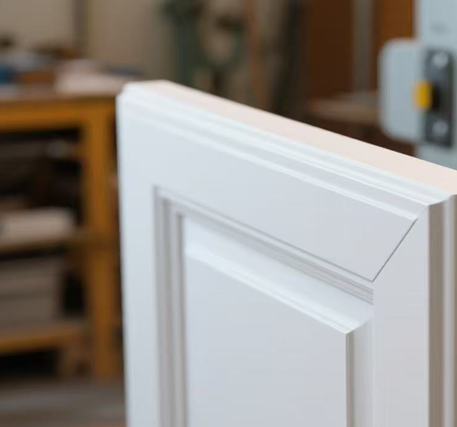
    Product Description PU white topcoat, short for polyurethane white topcoat, is a high-performance finishing material widely recognized in the coating industry. It is formulated with polyurethane resin as the main binding component, combined with white pigments, extenders, additives, and solvents through precise proportioning and advanced manufacturing processes. Typically appearing as a smooth, homogeneous liquid with a pure white color, its shade can range from bright crisp white to soft warm white—this variety is achieved via specific formulations to cater to different aesthetic preferences. When applied correctly, it forms a dense, durable film on the substrate surface, effectively providing both decorative and protective functions that meet diverse usage needs. Application Scenarios • Furniture industry: Preferred choice for finishing wooden furniture (cabinets, tables, chairs, beds, wardrobes). It covers wood imperfections, highlights natural grain, or creates a sleek solid white finish to enhance appearance. • Automotive sector: Used for vehicle body refinishing and custom paint jobs. It offers excellent color retention and resistance to road debris, UV rays, and harsh weather conditions. • Architectural field: Applied to interior/exterior wall coatings (residential/commercial buildings), door/window frames, and decorative trim. • Other areas: Suitable for musical instruments, electronic device casings, marine equipment, and industrial machinery—scenarios requiring both aesthetics and protection. Core Features • Exceptional durability: The cured polyurethane film is highly resistant to abrasion, impact, and scratching, making it ideal for high-traffic areas and frequently used items. • Strong chemical resistance: Withstands exposure to common household chemicals (detergents, cleaners, solvents) without discoloration or degradation. • Superior adhesion: Bonds firmly to various substrates (wood, metal, plastic, concrete) to ensure long-lasting performance. • Excellent gloss retention: Maintains shiny or matte finish (depending on formulation) for an extended period, even when exposed to sunlight and environmental factors. • Good leveling properties: Enables easy application and results in a smooth, uniform surface free of brush marks or roller streaks. Practical Benefits • Aesthetic advantage: Delivers a clean, bright, and professional finish to enhance the visual appeal of products or surfaces; wide range of white shades allows customization to match different design styles. • Cost and time savings: Its durable, protective nature extends the lifespan of coated items, reducing the need for frequent repairs or replacements. • Anti-yellowing and anti-fading: Resistance to UV radiation keeps the white finish vibrant and true over time. • Easy to apply: Suitable for both professionals and DIY enthusiasts, as it can be applied via brushing, rolling, or spraying. • Environmental friendliness: Many modern formulations are low in volatile organic compounds (VOCs), minimizing harmful emissions and making them safer for indoor use. Overall Summary PU white topcoat stands out as a versatile and high-performance finishing material, defined by its polyurethane-based formulation that balances aesthetic flexibility and protective functionality. Its applications span key industries like furniture, automotive, and architecture—plus specialized fields such as musical instruments and marine equipment—adapting to diverse substrate and usage demands. With core strengths including durability, chemical resistance, and strong adhesion, it not only maintains long-term performance but also offers practical benefits: from enhancing visual appeal and saving maintenance costs to being user-friendly and environmentally conscious. For both professional projects and DIY needs, it remains a reliable choice for achieving consistent, long-lasting white finishes.
  • Eco-Friendly Easy Process Nitrocellulose Furniture Varnish for Wooden Furniture
    Eco-Friendly Easy Process Nitrocellulose Furniture Varnish for Wooden Furniture Nov 14, 2025
    Redefining Wood Finishing: A Synergy of Classic Nitrocellulose Performance and Modern Sustainable Chemistry The global furniture manufacturing industry is navigating an era of unprecedented transformation, dictated by the converging pressures of accelerating production cycles, escalating demand for aesthetic versatility, and an uncompromising commitment to environmental, health, and safety (EHS) standards. While polyurethane and UV-curing technologies have captured significant market attention, they often introduce complexities in application, require substantial capital investment, or face limitations in reparability. In this dynamic landscape, the modernized Eco-Friendly Easy Process Nitrocellulose paints for furniture re-emerges not as a relic of the past, but as a sophisticated and strategically relevant finishing solution. By leveraging the intrinsic molecular advantages of nitrocellulose and integrating contemporary resin modifications and solvent technology, this advanced varnish masterfully reconciles the timeless need for operational efficiency and exceptional aesthetics with the modern imperative for a reduced ecological footprint. It represents a pragmatic and highly effective pathway for furniture manufacturers to achieve breathtaking wood finishes while proactively addressing regulatory compliance and consumer expectations for greener products. In-Depth Performance Advantages: A Chemical and Functional Perspective   1. Unmatched Drying Kinetics and Production Throughput The exceptional drying speed of nitrocellulose varnishes is fundamentally rooted in their physical film-forming mechanism. Unlike two-component systems that rely on slow, step-growth polymerization (e.g., polyurethanes) or radical-initiated crosslinking (e.g., UV-cures), NC films form solely through the rapid evaporation of a carefully balanced solvent blend. This blend typically contains a spectrum of solvents—from fast-evaporating ketones (e.g., acetone) and esters (e.g., ethyl acetate) to mid-range alcohols (e.g., ethanol)—designed to ensure optimal film formation without defects like blushing or orange peel. This physico-chemical process enables a touch-dry surface in as little as 15-20 minutes and permits recoating in 40-60 minutes, facilitating an unparalleled 6-8 coating cycles within a single 8-hour shift. This dramatic reduction in process waiting time directly translates to maximized spray booth utilization, minimized floor space for work-in-progress, and a significant acceleration of order-to-delivery timelines, offering a decisive competitive advantage in high-volume production environments.   2. Advanced Environmental & Safety Profile through Molecular Design The "Eco-Friendly" designation is substantiated by deliberate formulation choices at the molecular level. Modern iterations of this varnish increasingly incorporate high-solids, low-aromatic solvent systems and APEO-free surfactants. This results in a quantifiable reduction of Volatile Organic Compound (VOC) content, often aligning with stringent international directives such as the EU's Paints Directive (2004/42/EC). The primary film-forming agent, nitrocellulose, is itself derived from renewable cellulose sources (wood pulp or cotton linters), constituting a bio-based carbon content that reduces reliance on petrochemical feedstocks. Critically, the formulation is inherently free of isocyanates—the highly regulated and potent respiratory sensitizers found in polyurethane coatings—thereby eliminating a major occupational health hazard and simplifying workplace safety protocols. Furthermore, the low flash point (typically < 23°C) mandates specific storage and handling precautions, a characteristic well-understood and managed in industrial settings.   3. Thermoplasticity and Unparalleled Reparability The linear, non-crosslinked molecular structure of nitrocellulose is the key to its legendary reparability. As a thermoplastic polymer, the cured film can be selectively re-dissolved by the application of a fresh coat of varnish or a dedicated solvent blend. This unique chemical property allows for flawless spot repairs—whether from assembly scratches, transit damage, or localized wear—that are virtually indistinguishable from the original finish. The new material chemically "welds" into the existing film, creating a monolithic layer without witness lines or adhesion failure, a feat impossible with fully crosslinked systems like PU or UV, which require extensive sanding and complete panel refinishing. This capability drastically reduces lifecycle maintenance costs and extends the service life of high-value furniture pieces, contributing to a more sustainable consumption model.   4. Superior Aesthetics and Tailorable Finishes Nitrocellulose produces a crystal-clear, water-white film that possesses a unique "warmth" and depth highly prized in premium furniture finishing. Its molecular structure provides excellent refractive index properties, resulting in outstanding clarity and grain enhancement that does not amber or yellow significantly over time, unlike some oil-based or acid-catalyzed coatings. Through precise formulation with modifying resins (e.g., alkyds for flow and build, plasticizers for flexibility) and matting agents (e.g., silica), the sheen can be precisely engineered across the entire spectrum, from a deep, reflective 90° gloss to a subtle, tactile 10° matte, all while maintaining consistent gloss retention and durability within the performance boundaries of the class. Comprehensive Application Versatility and Industrial Processing   This varnish is the definitive choice for a vast array of interior wood substrates, including solid wood, veneers, and engineered wood products like MDF and HDF, used in residential and office furniture, cabinetry, doors, and decorative millwork. Its application simplicity remains a cornerstone of its value proposition. Optimized for conventional and HVLP spray application (recommended nozzle size 1.3 – 1.4 mm, pressure 3 – 4 bar), it offers exceptional atomization and transfer efficiency. The thinning ratio is highly flexible, typically 50% to 100% with a dedicated Nitrocellulose Thinner, allowing finishers to easily adjust viscosity for different equipment and environmental conditions (temperature, humidity). Being a single-component, ready-to-use product, it eliminates the risks associated with pot-life management, pre-mixing errors, and inaccurate mixing ratios, thereby streamlining workflow and reducing material waste. Equipment cleanup is swift and efficient using standard NC wash thinners.         Sustainability and End-of-Life Considerations   The sustainability profile of this varnish is multi-faceted. Beyond the previously mentioned renewable content and reduced VOC potential, its operational efficiency contributes to lower energy consumption (no forced high-temperature curing required). Most significantly, the unparalleled reparability of the finish directly prevents the disposal of otherwise functional furniture, aligning with circular economy principles by keeping products in use for longer. While the cured thermoplastics film is not biodegradable and requires separation in wood recycling streams, its overall life-cycle assessment is favorable when factoring in its durability, reparability, and production efficiency.   Your Success, Our Export Mission   The Eco-Friendly Easy Process Nitrocellulose Furniture Varnish stands as a testament to the enduring value of well-understood chemistry when refined with modern environmental and performance insights. It provides furniture manufacturers with a robust, time-tested, and supremely practical finishing solution that delivers on the core promises of speed, beauty, and easy maintenance. In an industry increasingly torn between the performance of the past and the sustainability demands of the future, this modernized nitrocellulose varnish offers a harmonious and compelling middle path—proving that ecological progress does not necessitate a compromise on practicality or aesthetic excellence.  
  • Application of PU Paint on Furniture
    Application of PU Paint on Furniture Nov 11, 2025
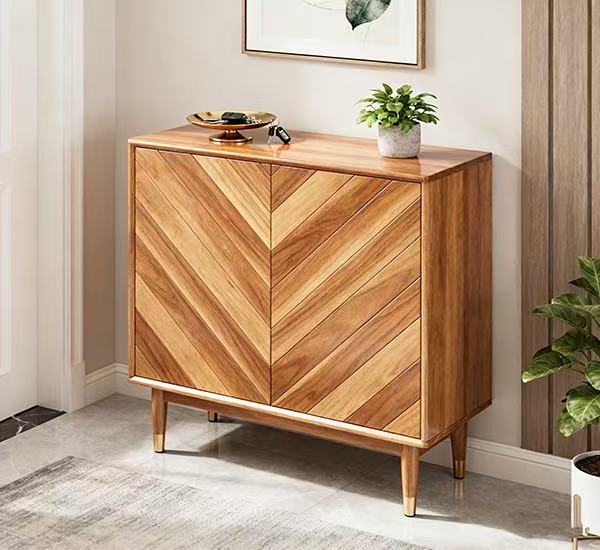
    Product Introduction PU furniture paint, short for polyurethane furniture paint, is a high-performance coating widely adopted in the global furniture manufacturing industry. It is formulated with polyurethane resin as the core film-forming ingredient, combined with essential additives including curing agents, diluents, pigments, and leveling agents. Unlike conventional paints that dry through solvent evaporation, PU furniture paint forms a tough, dense film via a chemical reaction between resin and curing agent. This unique curing mechanism gives it superior performance, and it is available in diverse finishes—glossy, semi-gloss, and matte—to match different furniture styles and user preferences, from modern minimalist to classic luxury designs. Product Overview After decades of technological evolution, the production process of PU furniture paint has become highly mature, balancing performance, environmental friendliness, and cost-effectiveness. Modern formulations have significantly reduced volatile organic compound (VOC) content, aligning with global environmental regulations and meeting the growing demand for eco-friendly furniture materials. In the market, it caters to both large-scale mass production and high-end customized furniture sectors. It is compatible with a wide range of substrates, including solid wood, medium-density fiberboard (MDF), particleboard, and even some metal-composite materials. To address specific needs, manufacturers offer specialized variants—such as flexible formulas for deformation-prone softwoods and high-adhesion options for smooth artificial panels—further expanding its application scope in the furniture industry. Application 1. Solid wood furniture: PU furniture paint penetrates slightly into the wood grain, accentuating the natural texture of woods like oak, maple, and mahogany while forming a protective barrier. It is commonly used for high-end solid wood pieces such as dining tables, beds, and sofas, effectively preventing moisture absorption, wood cracking, and insect damage. 2. Panel furniture: For MDF and particleboard furniture, the paint fills tiny surface pores, creating a smooth, even finish. It is widely applied to wardrobes, bookcases, and office desks, enhancing the furniture’s tactile feel and making it resistant to stains and easy to wipe clean. 3. Customized furniture: It supports flexible color matching and gloss adjustment, making it ideal for personalized furniture like custom TV cabinets, shoe racks, and kitchen cabinets. This allows the furniture to seamlessly integrate with the overall home or commercial decor style. 4. Outdoor furniture: Weather-resistant PU paint variants are designed for garden chairs, patio tables, and outdoor loungers. These variants resist ultraviolet (UV) radiation, rain erosion, and temperature fluctuations, preventing fading, peeling, and surface degradation even in harsh outdoor conditions. Features 1. Exceptional wear resistance: The cured film has high hardness (often reaching 2H or higher on the pencil hardness scale), withstanding daily friction from items like tableware, keys, and bags. It keeps frequently used furniture—such as coffee tables and dining chairs—free from scratches and scuffs. 2. Strong adhesion: It forms a tight bond with various substrates, avoiding common issues like peeling, blistering, or chipping. Even after long-term use or slight substrate expansion/contraction (e.g., due to humidity changes), the paint film remains intact. 3. Superior decorative performance: The film has a full, plump appearance with uniform luster, enhancing the furniture’s visual appeal. It can be tinted to match any color—from neutral whites and grays to bold reds and blues—and supports special effects like metallic or matte textures. 4. Adjustable curing speed: By modifying the ratio of curing agent to diluent, manufacturers can control the drying time—from a few hours for fast-paced batch production to 24 hours for detailed, small-batch customization. This flexibility optimizes production schedules and ensures coating quality. 5. Reliable chemical resistance: The dense film resists erosion from common household substances, including coffee, juice, wine, and detergent. Spills can be wiped off with a damp cloth without leaving stains or damaging the paint film. Benefits 1. Extends furniture lifespan: The protective film isolates the substrate from moisture, dust, insects, and chemicals, reducing wear and tear. This extends the furniture’s service life by 30%–50% compared to furniture coated with ordinary paints. 2. Enhances furniture value: Furniture with a high-quality PU paint finish has a more premium appearance and better durability, increasing its market value. For manufacturers, this translates to higher profit margins and stronger customer loyalty. 3. Simplifies daily maintenance: The smooth, non-porous surface requires minimal upkeep—regular dusting and occasional wiping with a damp cloth are sufficient. There is no need for specialized cleaning products or frequent touch-ups, saving users time and effort. 4. Improves environmental adaptability: It performs well in diverse climates, from humid southern regions (preventing mold growth) to dry northern areas (avoiding film cracking). This makes furniture coated with PU paint suitable for use in almost any geographic location. 5. Reduces long-term costs: While the initial coating cost is slightly higher than that of ordinary paints, the long lifespan, low maintenance needs, and resistance to damage mean users avoid frequent repair or replacement expenses. For commercial spaces (e.g., hotels, offices), this lowers long-term furniture procurement and maintenance budgets.
  • Self-Crosslinking APEO-Free Acrylic Copolymer Emulsion
    Self-Crosslinking APEO-Free Acrylic Copolymer Emulsion Nov 07, 2025
    Redefining Food-Safe Printing for Single-Use Paper Cups with Advanced Polymer Technology The global packaging industry for single-use paper cups is navigating a complex landscape, driven by escalating consumer demand for convenience, stringent food safety regulations, and an unwavering commitment to environmental sustainability. Conventional printing solutions for cups often involve solvent-based inks or non-crosslinked emulsions, which pose risks of chemical migration, limited resistance to greasy food contents, and environmental concerns due to Volatile Organic Compound (VOC) emissions and the use of alkylphenol ethoxylates (APEOs). In this context, the APEO-Free Self-Crosslinking Acrylic Copolymer Emulsion with Excellent Grease Resistance emerges as a transformative material. This advanced Acrylic Copolymer Emulsion is engineered to integrate intrinsic food safety, superior functional barrier properties, and full environmental compliance. As a cornerstone of modern paper cup printing, it not only ensures the visual appeal and structural integrity of the final product but also aligns with the principles of the circular economy, setting a new benchmark for high-performance, safe food-contact packaging.     Core Performance Advantages of APEO-Free Self-Crosslinking Acrylic Copolymer Emulsion for Paper Cups     1. Superior Grease and Chemical Resistance via Covalent Crosslinking The defining performance attribute of this Self-Crosslinking Acrylic Copolymer Emulsion is its exceptional resistance to fats, oils, and hot liquids. This is achieved through a meticulously designed self-crosslinking mechanism. During the film-forming and curing process (typically at temperatures of 60-80°C), reactive functional groups within the polymer chains—such as keto-hydrazide, carbodiimide, or silane—undergo an irreversible covalent bonding reaction. This creates a dense, three-dimensional polymer network with a high crosslink density. This network acts as an impermeable barrier, effectively preventing the penetration of greases from common foodstuffs like coffee with cream, dairy products, and fried foods. Testing per ASTM D7225 (Grease Resistance Test for Paper and Paperboard) demonstrates no penetration or stain formation after 24 hours of contact with hot (90°C) corn oil, significantly outperforming non-crosslinked styrene-acrylic alternatives. Furthermore, the coating exhibits excellent resistance to weak acids and alkalis, ensuring cup integrity is maintained when in contact with a variety of beverages.   2. Uncompromising Food Safety and Regulatory Compliance Formulated to be entirely free of APEOs, heavy metals, and other substances of very high concern (SVHCs), this Acrylic Copolymer Emulsion is designed for the most rigorous food-contact applications. Its compliance is verified against a comprehensive set of global regulations, including: EU Framework Regulation (EC) No 1935/2004: For overall food contact materials. EU Regulation No. 10/2011: For plastic materials and articles intended to come into contact with food. US FDA CFR Title 21 §176.170: Components of paper and paperboard in contact with aqueous and fatty foods. China GB 9685: Standard for uses of additives in food-contact materials. Migration tests conducted under standardized conditions (e.g., 10 days at 40°C with isooctane and ethanol as simulants) confirm non-detectable levels of hazardous substance migration, providing brand owners with absolute confidence in product safety.   3. Robust Adhesion and Mechanical Durability for High-Speed Converting Beyond grease resistance, this acrylic emulsion delivers outstanding adhesion to the porous and challenging surface of paper cup stock. The polymer formulation is optimized to penetrate paper fibers and form a strong mechanical anchor, achieving a cross-cut adhesion rating of 0 (best) on ISO 2409. This strong bond is critical during the downstream cup-forming process, which involves high-stress operations like rim curling and bottom seaming. The flexible yet tough crosslinked film resists cracking, delamination, and powdering, ensuring the integrity of the protective barrier is maintained. Additionally, the coating offers excellent abrasion resistance (Taber Abrasion, CS-10 wheel, 500g load, weight loss < 5mg after 100 cycles), protecting the printed graphics during storage, transportation, and stacking.   4. Excellent Runability and Process Efficiency in Printing Specifically engineered for flexographic and gravure printing—the dominant processes in high-speed paper cup production—this emulsion ensures stable and efficient press performance. It possesses a well-defined rheological profile for clean dot reproduction, sharp graphics, and high gloss if required. Its mechanical stability prevents foaming and coagulum formation in ink circulation systems, minimizing downtime and waste. The product's fast-drying characteristics (achieving tack-free film in 15-30 seconds at 70-80°C air temperature) are compatible with the high line speeds of modern printing presses, directly contributing to enhanced operational efficiency and reduced manufacturing costs.   Environmental Compliance and Sustainability Profile   This APEO-Free Self-Crosslinking Acrylic Emulsion is a cornerstone of sustainable packaging. Its water-based formulation results in VOC content below 30 g/L, far exceeding the limits of stringent environmental directives and contributing to improved indoor air quality in production facilities. The elimination of APEOs prevents the release of persistent, endocrine-disrupting chemicals into the environment. Critically, the cured coating does not impede the recyclability of the paper fiber in standard repulping processes, as confirmed by INGEDE Method 12. This aligns with Extended Producer Responsibility (EPR) schemes and the goals of a circular economy, allowing brands to market their products as fully recyclable.   Application Expansion Beyond Paper Cup Printing   The applications for this advanced emulsion have expanded significantly beyond its initial design for single-use paper cup printing. Its exceptional versatility—including excellent adhesion, high barrier properties, and strong chemical resistance—makes it an ideal solution for multiple demanding packaging sectors. In food packaging films, it serves as a high-performance topcoat or primer for OPP, PET, and PLA films, specifically used for greasy snacks, confectionery, dry foods, and pet food. It not only significantly enhances the film's hot-seal strength and efficiency but also effectively improves barriers against grease and moisture, extending shelf life. In the paper packaging sector, it provides reliable grease resistance for folding cartons used for frozen foods, delivery pizzas, bakery items, and fast food, fundamentally preventing oil stain penetration that compromises package appearance, while maintaining the carton's structural strength and rigidity in frozen or humid conditions. Furthermore, this emulsion is an ideal coating for paper straws, cup lids, and food containers, ensuring these items maintain their structural integrity without going soggy and continue to provide an effective barrier function during prolonged contact with liquids and fats. Its formulation can even be extended to industrial packaging, such as liners for corrugated boxes, and to meet emerging compostable packaging demands, demonstrating its vast application potential and significant market value.   Formulation and Processing Considerations     1. Molecular Design for Targeted Performance The emulsion's core performance is rooted in its sophisticated acrylic copolymer architecture. A meticulously calibrated ratio of hard monomers (e.g., Methyl Methacrylate, Styrene) to soft monomers (e.g., Butyl Acrylate, 2-Ethylhexyl Acrylate) provides the optimal blend of hardness, flexibility, and a Glass Transition Temperature (Tg) typically ranging from -10°C to +15°C. This specific Tg range ensures excellent film formation at room temperature while maintaining sufficient rigidity. Self-crosslinking monomers (e.g., N-Methylolacrylamide) are grafted onto the polymer backbone, remaining inert during storage and thus guaranteeing a shelf stability exceeding 12 months. It is only during the subsequent thermal curing stage, when the coating's Peak Metal Temperature (PMT) exceeds 80°C, that these crosslinking sites are activated. This process forms a dense, three-dimensional network, which irreversibly enhances the coating's resistance to water, grease, and blocking, and significantly improves its adhesion to various substrates, such as corona-treated polyolefin films.   2. Industrial Processing Adaptability The emulsion is designed for user-friendliness, being ready-to-use or easily incorporated into water-based ink formulations. To adapt to different printing processes, its rheology must be tailored accordingly: for gravure printing, a viscosity of 20-40 seconds (DIN4 cup) is recommended; for flexographic printing, rheology modifiers (e.g., urethane-based associative thickeners) can be added to achieve the required low-viscosity, thixotropic flow properties, ensuring excellent anilox roll transfer and leveling. Drying and curing are critical steps that directly determine the final performance. The recommended process involves achieving a Peak Metal Temperature (PMT) of 80-100°C for 1-2 minutes in a tunnel oven. This precise thermal profile ensures efficient water evaporation and fully activates the crosslinking reaction, allowing the coating to develop its optimal barrier properties and mechanical strength. Furthermore, good ventilation in the production environment is advised to manage VOC emissions. Prior to full-scale production, on-machine trials are strongly recommended to fine-tune parameters for perfect compatibility with specific line speeds and tension control systems.   Future Development Trends   The future evolution of this technology is rapidly advancing toward the deep integration of high performance and sustainability, concentrating primarily on two strategic frontiers: In the realm of sustainable materials, development has moved beyond simple bio-based substitution and is now committed to building a comprehensive green industrial chain. By large-scale adoption of bio-based acrylic monomers derived from renewable resources like sugarcane and corn, it aims not only to significantly reduce the product's full lifecycle carbon footprint but also to maintain or even surpass the performance benchmarks of traditional petroleum-based products—such as exceptional weather resistance, adhesion, and mechanical strength—while steadily increasing the bio-based content to over 50%, thereby achieving a synergistic optimization of environmental benefits and product performance. Concurrently, in the field of smart and functional materials, technological innovation is incorporating a series of non-migratory, intelligent additives compliant with stringent global food contact regulations (e.g., long-lasting antimicrobial agents based on silver ions or specific organic compounds, and smart label materials that can indicate product status or extend shelf life) through molecular design and precise compounding technologies. These innovations not only substantially enhance the product's safety, hygiene standards, and shelf life in sensitive applications like food packaging, medical devices, and household appliances but also endow the materials with smart functions such as self-sensing of status and lifespan prediction. This opens up new possibilities for high-value-added applications in downstream industries, ultimately driving the entire sector toward greener, safer, and more intelligent next-generation solutions.   Conclusion   APEO-Free Self-Crosslinking Acrylic Copolymer Emulsion with Excellent Grease Resistance for Printing on Paper Cups represents a paradigm shift in food-safe printing technology. It successfully reconciles the often-conflicting demands of high-performance barrier protection, uncompromising food safety, and environmental responsibility. By eliminating the shortcomings of traditional coatings—such as potential migration, poor grease resistance, and environmental hazards—it empowers paper cup manufacturers and global brands to deliver safe, reliable, and premium-quality products that are fully aligned with 21st-century sustainability imperatives. This emulsion is not merely a coating material; it is an essential enabler for the future of sustainable and high-performance food packaging.  
1 2

A total of2pages

As a National High - tech Enterprise , we own brands like RHERI is popular in domestic markets China,but also our high - quality products have won overseas customer trust like Southeast Asia, the Middle East, South America, Africa and North America.
f LINKIDEN
Subscribe Our News
Please Read On, Stay Posted, Subscribe, And We Welcome You To Tell Us What You Think.

Sitemap Blog Xml Privacy Policy

Copyright @ Runshine New Materials(FoShan) Co.,Ltd. All Rights Reserved. Network Supported

leave a message

leave a message
If you are interested in our products and want to know more details,please leave a message here,we will reply you as soon as we can.
submit

home

products

WhatsApp

CONTACT

Leave A Message
Leave A Message
If you are interested in our products and want to know more details,please leave a message here,we will reply you as soon as we can.
submit