1
Home

waterborne acrylic supplier

waterborne acrylic supplier

  • Waterborne Acrylic Emulsion Sustainable Barrier Solution for Food Contact Packaging
    Waterborne Acrylic Emulsion Sustainable Barrier Solution for Food Contact Packaging Dec 23, 2025
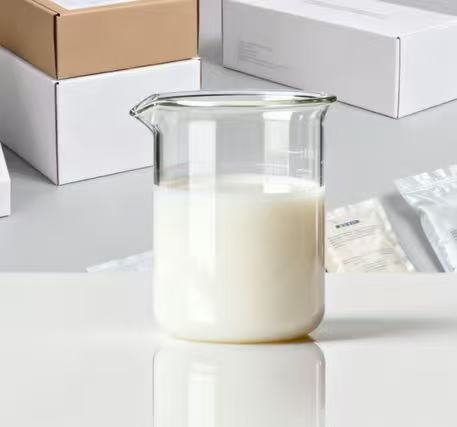
    Waterborne acrylic emulsion has emerged as a cornerstone in modern coating technologies, celebrated for its low VOC emissions, environmental friendliness, and versatile performance. Unlike solvent-based alternatives, this water-dispersed polymer system relies on water as the primary carrier, making it compliant with global sustainability regulations while delivering exceptional adhesion, flexibility, and durability. Composed of acrylic monomers polymerized in an aqueous phase, waterborne acrylic emulsion forms a continuous, uniform film when dried—properties that make it indispensable in packaging applications, where barrier protection is non-negotiable. Why Barrier Performance Matters in Packaging Packaging’s core mission extends beyond containment: it must shield contents from external threats that compromise quality, safety, and shelf life. For food, pharmaceuticals, cosmetics, and industrial products, the key enemies are oxygen, moisture, grease, and volatile substances. Oxygen triggers oxidation, moisture leads to spoilage or texture degradation, and grease migration ruins packaging integrity. Waterborne acrylic emulsion addresses these challenges by forming a barrier layer that minimizes permeation, ensuring products retain their freshness, efficacy, and appearance from production to consumption. Key Barrier Properties of Waterborne Acrylic Emulsion Waterborne acrylic emulsion’s barrier capabilities stem from its unique film structure and chemical composition, offering tailored protection for diverse packaging needs: • Oxygen Barrier: The dense, crosslinked polymer network of waterborne acrylic emulsion restricts oxygen diffusion, critical for extending the shelf life of oxygen-sensitive products like processed meats, baked goods, and vitamins. Modified formulations can further enhance oxygen resistance. • Moisture Resistance: When cured, waterborne acrylic emulsion films exhibit low water vapor transmission rate, preventing moisture absorption or loss. This is vital for dried foods, electronics, and pharmaceuticals that require strict humidity control. • Grease & Chemical Resistance: Acrylic polymers inherently repel oils, fats, and mild chemicals, making waterborne acrylic emulsion ideal for packaging greasy foods or industrial materials that may interact with the container. The emulsion’s adjustable crosslink density allows customization for high-demand chemical resistance. • Mechanical Durability: Beyond barrier functions, waterborne acrylic emulsion films offer flexibility and scratch resistance, ensuring packaging maintains its integrity during handling, transportation, and storage—even in harsh conditions. Applications Waterborne acrylic emulsion’s versatility makes it a top choice across multiple food barrier coating sectors, each leveraging its barrier properties for specific needs: • Food Packaging: Coated on paperboards to prevent grease bleed-through and moisture absorption; used in flexible films to block oxygen and extend freshness; applied to metal cans for corrosion resistance and food safety. • Pharmaceutical Packaging: Formulated into blister pack coatings to protect pills and capsules from moisture and oxygen, preserving their potency. Waterborne acrylic emulsion’s low toxicity and compliance with pharmaceutical regulations make it a safe alternative to solvent-based coatings. • Cosmetic & Personal Care Packaging: Coated on plastic bottles, tubes, and jars to prevent ingredient degradation (e.g., oxidation of oils in lotions) and maintain product consistency. The emulsion’s transparency also preserves the packaging’s aesthetic appeal. • Industrial Packaging: Used for coating cardboard drums, plastic containers, and flexible packaging for chemicals, lubricants, and adhesives. Its chemical resistance and moisture barrier prevent product leakage and contamination. Conclusion As the packaging industry shifts toward sustainability without sacrificing protection, waterborne acrylic emulsion stands out as a game-changer. Its exceptional barrier properties, low environmental impact, and versatility make it the go-to coating for safeguarding products across sectors. Whether extending the shelf life of food, preserving pharmaceutical efficacy, or ensuring industrial product integrity, waterborne acrylic emulsion proves that sustainability and performance can go hand in hand. As formulation technologies advance, we can expect even more innovative waterborne acrylic emulsion-based solutions to meet the evolving demands of barrier packaging—solidifying its role as an essential component of modern packaging systems.
  • Waterborne Acrylic Emulsion Versatile Eco Friendly Solutions for Coatings and Future Innovations
    Waterborne Acrylic Emulsion Versatile Eco Friendly Solutions for Coatings and Future Innovations Nov 04, 2025
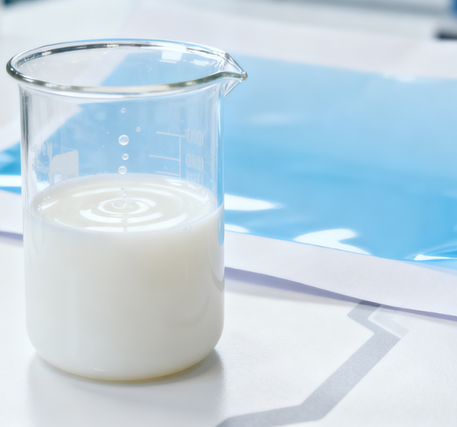
    Product Introduction Waterborne acrylic refers to a class of polymer-based materials where acrylic polymers are dispersed in water as the continuous phase. Unlike solvent-based acrylics that rely on organic solvents, these formulations use water as the primary carrier, supplemented by small amounts of co-solvents, surfactants, and additives to optimize performance. Key characteristics include low volatile organic compound (VOC) emissions, excellent adhesion to various substrates, good film-forming properties, and resistance to weathering, chemicals, and abrasion. They are non-flammable, low-odor, and environmentally friendly, making them compliant with global environmental regulations and suitable for a wide range of industrial and commercial applications. The versatility of waterborne acrylic allows for customization of properties such as flexibility, hardness, and gloss by adjusting the polymer composition and formulation. Application in Paper Waterborne acrylic plays a pivotal role in paper coating, enhancing the surface quality and functional performance of paper products. It is widely used in coated paper, packaging paper, and specialty papers to improve printability, smoothness, and brightness. The acrylic polymers form a uniform, continuous film on the paper surface, filling gaps between fibers and creating a barrier against ink penetration. This results in sharper print images, better color retention, and reduced ink consumption during printing processes like offset, flexography, and gravure. In packaging applications, waterborne acrylic coatings provide moisture resistance and surface protection, extending the shelf life of packaged goods while maintaining the paper’s recyclability. Additionally, they can be modified to offer features such as anti-static, anti-blocking, or heat-sealable properties, meeting the specific needs of industries like food packaging, labeling, and graphic arts. Application in Barrier In barrier coatings, waterborne acrylic emulsion formulations are valued for their ability to prevent the transmission of gases, liquids, and other substances through substrates. They are commonly applied to flexible packaging films, paperboards, and metal foils used in food, pharmaceutical, and industrial packaging. These coatings form a dense, impermeable layer that blocks oxygen, moisture, oil, and aroma, preserving the freshness and quality of the packaged products. Compared to traditional barrier materials like polyethylene or aluminum foil, waterborne acrylic coatings offer advantages such as lighter weight, better recyclability, and compatibility with sustainable packaging initiatives. They also exhibit strong adhesion to various substrates, ensuring long-term barrier performance even under harsh storage or transportation conditions. Additionally, waterborne acrylic barrier coatings can be combined with other functional additives to enhance UV resistance or chemical resistance, expanding their use in high-demand applications such as sterile medical packaging and corrosive substance containment. Future Development Directions The future of waterborne acrylic resin is driven by ongoing demands for sustainability, performance optimization, and innovation in specialty applications. One key direction is the development of bio-based waterborne acrylic polymers, using renewable feedstocks such as plant-derived monomers to reduce reliance on fossil fuels and lower carbon footprints. Another focus is improving performance limits, such as enhancing barrier properties to match or exceed those of solvent-based alternatives, and developing high-temperature resistant or ultra-flexible formulations for extreme environments. Advances in nanotechnology will enable the integration of nano-fillers into waterborne acrylic coatings, further boosting barrier efficiency, mechanical strength, and antimicrobial capabilities. Additionally, the trend toward circular economy will drive the development of recyclable and biodegradable waterborne acrylic systems, aligning with global efforts to reduce plastic waste. Expansion into new application areas, such as 3D printing materials, automotive coatings, and renewable energy components, will also shape the growth of waterborne acrylic in the coming years. Summary Waterborne acrylic polymer has established itself as a versatile, environmentally friendly material with a broad range of applications, particularly in paper coating and barrier coatings. Its low VOC content, excellent performance, and compliance with environmental standards make it a preferred alternative to solvent-based polymers. In paper coating, it enhances printability and protection, while in barrier coatings, it ensures product preservation and sustainability. The future of waterborne acrylic lies in bio-based innovations, performance enhancement, nanotechnology integration, and circular economy compatibility, as well as expansion into emerging application fields. As industries continue to prioritize sustainability and functional performance, waterborne acrylic will remain a key material driving innovation and progress across multiple sectors.
As a National High - tech Enterprise , we own brands like RHERI is popular in domestic markets China,but also our high - quality products have won overseas customer trust like Southeast Asia, the Middle East, South America, Africa and North America.
f LINKIDEN
Subscribe Our News
Please Read On, Stay Posted, Subscribe, And We Welcome You To Tell Us What You Think.

Sitemap Blog Xml Privacy Policy

Copyright @ Runshine New Materials(FoShan) Co.,Ltd. All Rights Reserved. Network Supported

leave a message

leave a message
If you are interested in our products and want to know more details,please leave a message here,we will reply you as soon as we can.
submit

home

products

WhatsApp

CONTACT

Leave A Message
Leave A Message
If you are interested in our products and want to know more details,please leave a message here,we will reply you as soon as we can.
submit